Fall 2026
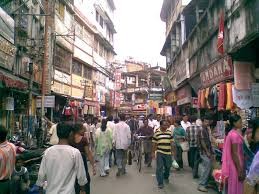
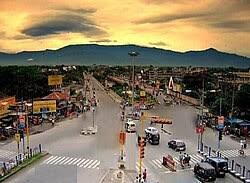
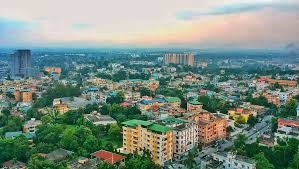
Siliguri is a majortier-IIcity in West Bengal. It forms the Twin Cities with the neighbouring city of Jalpaiguri.
The city spans areas of the Darjeeling and Jalpaiguri districts in the Indianstate of West Bengal.
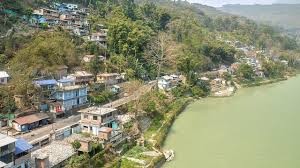
Known as the”Gateway of Northeast India”, It is located on the banks of the Mahanandain the foothills of the Himalayas.
Siliguri is the third largest urban agglomeration in West Bengal, after Kolkata and Asansol
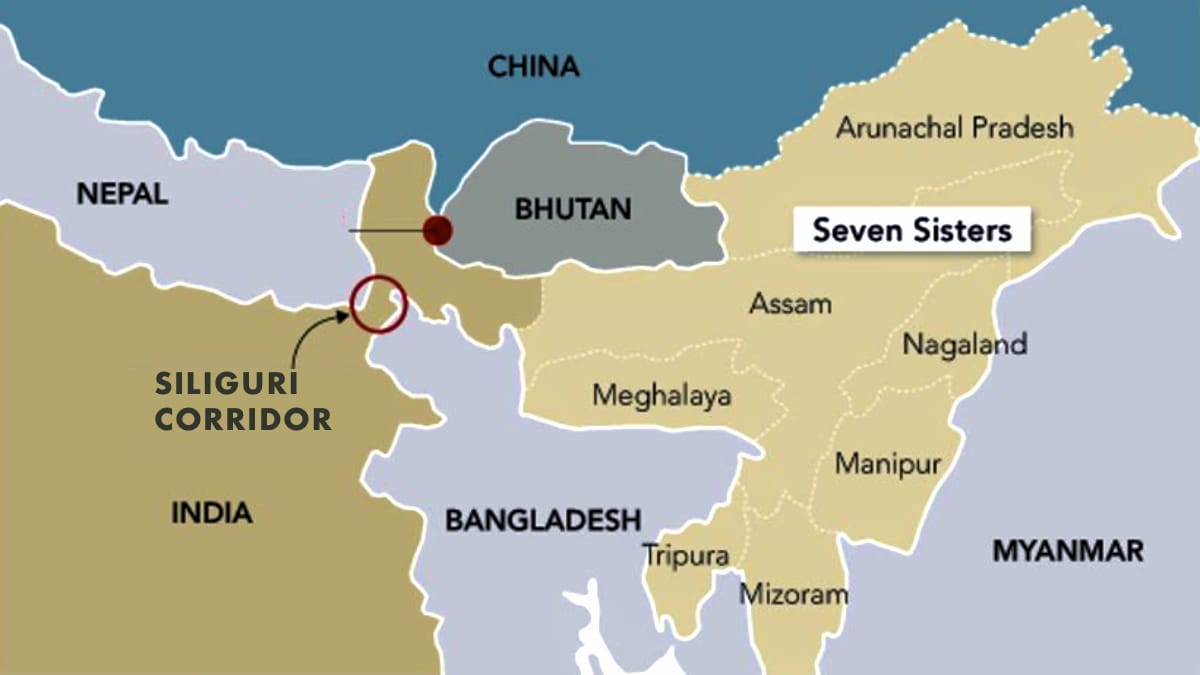
Siliguri has great strategic importance in West Bengal, with convenient access to three international borders: Nepal, Bangladesh and Bhutan. It also connects the North-East with mainland India. Located in the foothills of Eastern Himalayas, Siliguri is a significant trading and transportation hub. Map of Darjeeling district (1876) after being considered a “regulated area” by the British government
According to Sailen Debnath, “Siliguri” means a stack of pebbles or stones. Until the 19th century this region was called as “Shilchaguri” when there was dense Dolka forest covering the region.
Modern history
Siliguri was a small agricultural village in the Kingdom of Sikkim. It was captured by the Kingdom of Nepal in 1788, after which Kirati and Lepchascame to settle in this region.
At that time a river port on Mahananda, South of Siliguri in Phansidewa had an important role in having trade bond with Malda, Bengaland Bihar. This riverine trade line was thus used by the Bhutanese and Sikkimese to bring goods into their mainland.
Siliguri started as a small area in the northern part of city, on the front of Mahananda River, which is now Dagapur. The Treaty of Sugauli in 1816, signed between Britain-Nepal, changed the prospects of Siliguri, and it became a point of transit for the Darjeeling hills and Nepalmainland. From 1816 onwards, Siliguri started growing rapidly as a small city due to its strategic location in trade routes. In 1865, the British captured Darjeeling and the entire Dooarsregion to build tea plantations and export the produce to England. To scale up exportation they introduced the Siliguri Town railway station which stands to this day, and introduced the Toy train from the station to Darjeeling in 1880. This helped Siliguri gain sub-divisional town status in 1907. Toy train passing through Siliguri after independence, in 1955
The Siliguri Corridor was formed when Bengal was divided into West Benga land East Pakistan(later Bangladesh) in 1947, with Sikkim later merging with India in 1975. At this point many immigrants came to settle here for better infrastructure, which led to an increased population. Later in 1950 Siliguri achieved municipal status. Keeping in mind the importance of Siliguri, in 1951, the Assam rail link was established with newly made (1949) Meter gauge Siliguri Junction railway station. After few years in 1961 all these stations were connected with broad gauge New Jalpaiguri Junction railway station which later became the most important railway station in Northeast India.